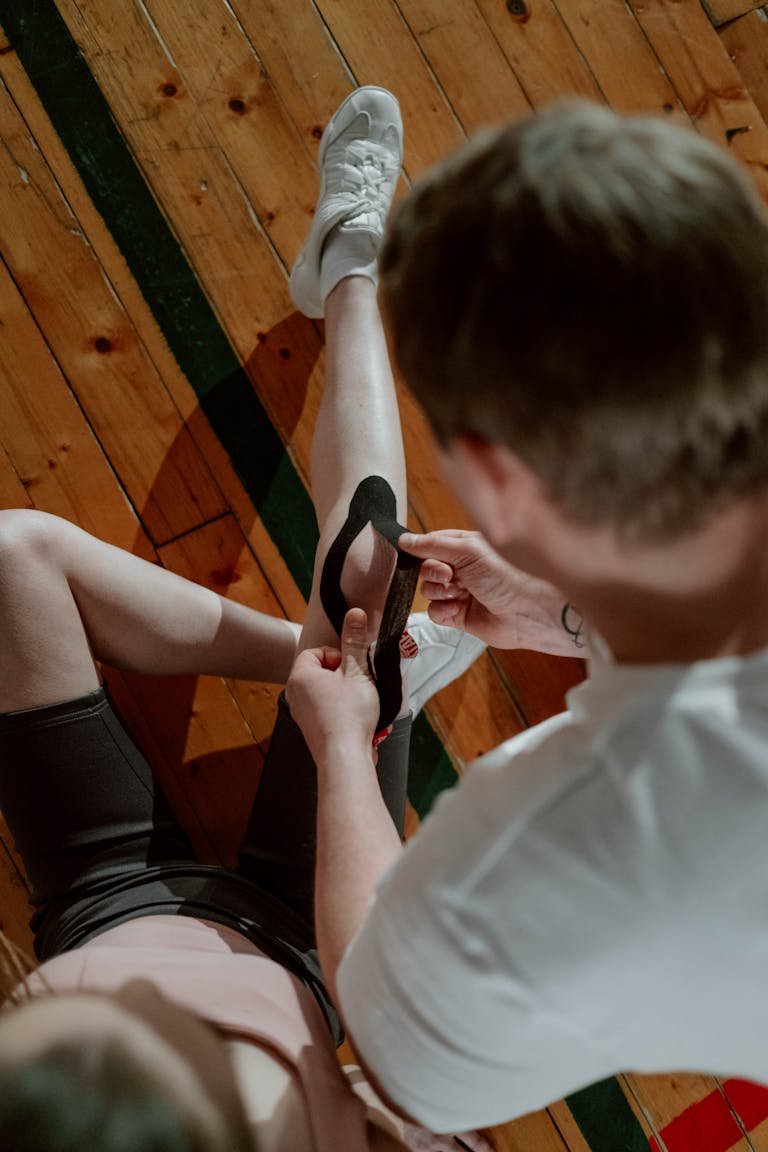

7 Common Running Injuries (And How to Treat Them)
Whether you’re training for your first 5K or logging marathon miles every week, running puts serious demands on your body. And while it’s one of the best ways to build cardiovascular health and mental resilience, it also comes with a real risk of injury, especially when training load increases faster than your body can adapt.
At Riverside Sports Therapy, we see runners at every level dealing with the same frustrating setbacks. The good news? Most common running injuries are treatable, and many are preventable with the right guidance.
Here’s a breakdown of the injuries we see most often, what causes them, and what running injury treatment typically looks like.
1. Runner’s Knee (Patellofemoral Pain Syndrome)
What it is: A dull, aching pain around or behind the kneecap that tends to flare up during or after a run, especially on hills or stairs.
What causes it: Weakness in the hips or quadriceps, poor foot mechanics, worn-out footwear, or a sudden spike in mileage can all put excess stress on the kneecap, causing irritation of the cartilage underneath.
What treatment looks like: Rest and activity modification are typically the first steps, followed by targeted strengthening exercises for the hips and glutes, manual therapy to address tissue tightness, and gait analysis to identify any biomechanical contributors.
2. IT Band Syndrome
What it is: A sharp or burning pain on the outer side of the knee, often appearing at a very consistent point during a run (many runners notice it at exactly the same distance every time).
What causes it: The iliotibial (IT) band is a thick strip of connective tissue running from the hip to the knee. When it becomes tight or inflamed, usually from overuse, weak hip abductors, or excessive downhill running, it rubs against the outer knee and causes pain.
What treatment looks like: Foam rolling and stretching can provide short-term relief, but lasting improvement usually requires strengthening the hips and glutes, correcting training errors, and sometimes manual therapy or dry needling to address underlying tightness.
3. Shin Splints (Medial Tibial Stress Syndrome)
What it is: An aching or throbbing pain along the inner edge of the shinbone, most common in newer runners or those returning after a break.
What causes it: Shin splints happen when the muscles and connective tissue around the tibia are overloaded, typically from ramping up training too quickly, running on hard surfaces, or having flat feet that cause the shin to absorb more impact than it should.
What treatment looks like: Reducing mileage and impact while maintaining fitness through low-impact cross-training is key. A sports therapist can assess your footwear, running surface, and gait, and prescribe strengthening and load management strategies to prevent recurrence.
4. Plantar Fasciitis
What it is: Stabbing heel pain, usually worst with those first steps out of bed in the morning, caused by inflammation of the plantar fascia, the thick band of tissue along the bottom of the foot.
What causes it: Tight calves, flat arches or high arches, increased training volume, and running in unsupportive footwear are all common culprits. Plantar fasciitis can become chronic if left untreated.
What treatment looks like: Calf stretching, night splints, orthotics, and targeted foot strengthening exercises are common components of a treatment plan. In more persistent cases, shockwave therapy or ultrasound therapy may be recommended.
5. Achilles Tendinopathy
What it is: Pain, stiffness, or swelling along the Achilles tendon – the large tendon connecting your calf muscles to your heel. It often feels worst first thing in the morning or at the start of a run, then eases off, only to return afterward.
What causes it: A sudden increase in training intensity, tight calves, hill running, and inadequate recovery time are common triggers. Achilles tendinopathy is a degenerative condition, not just inflammation, which means rest alone rarely solves it.
What treatment looks like: Eccentric calf strengthening exercises are one of the most evidence-backed treatments. A sports therapist will also assess load management, footwear, and running mechanics to address the root cause rather than just the symptoms.
6. Stress Fractures
What it is: Tiny cracks in bone caused by repetitive impact, most commonly in the foot, shin, or hip. Stress fractures cause localized, pinpoint pain that worsens with activity and improves with rest.
What causes it: Rapidly increasing mileage, poor nutrition (particularly low calcium or vitamin D), low bone density, and running in worn-out shoes are all risk factors. Stress fractures are more common in female runners, particularly those with irregular menstrual cycles.
What treatment looks like: Stress fractures typically require a period of non-weight-bearing or significant activity restriction, followed by a carefully managed return-to-run program. Imaging (X-ray or MRI) is needed to confirm the diagnosis, and a sports therapist plays an important role in guiding the recovery timeline.
7. Hip Flexor Strain
What it is: Pain or tightness at the front of the hip, ranging from a mild ache to a sharp pull that limits stride length.
What causes it: Prolonged sitting (which keeps hip flexors in a shortened position) combined with high training volume is a recipe for hip flexor strain. Speed work and hill training also place higher demands on these muscles.
What treatment looks like: A combination of soft tissue work, hip flexor stretching, and progressive strengthening of the surrounding hip musculature helps restore full function. Addressing any contributing factors in your training schedule is equally important.
When Should You See a Sports Therapist?
A common mistake runners make is waiting too long to seek help and pushing through pain until a minor issue becomes a major setback. If you’re experiencing any of the following, it’s worth booking an assessment:
- Pain that persists more than a few days after a run
- Pain that gets worse as you continue running (not better)
- Swelling, bruising, or visible changes around a joint
- Pain that alters your gait or forces you to compensate
- Recurring injury in the same location
Early running injury treatment is almost always faster and more effective than waiting it out.
Getting Back to Running the Right Way
At Riverside Sports Therapy, our approach to running injuries goes beyond treating the pain in front of us. We look at the full picture – your training history, movement patterns, footwear, and biomechanics – to understand why the injury happened and how to prevent it from coming back.
Whether you’re dealing with a nagging knee, a stubborn heel, or you’re not quite sure what’s going on but something doesn’t feel right, our team is here to help you get back to doing what you love, stronger than before.
Ready to run pain-free? Book an appointment with Riverside Sports Therapy today.