Hiking Preparation Exercises Before You Hit the Trail
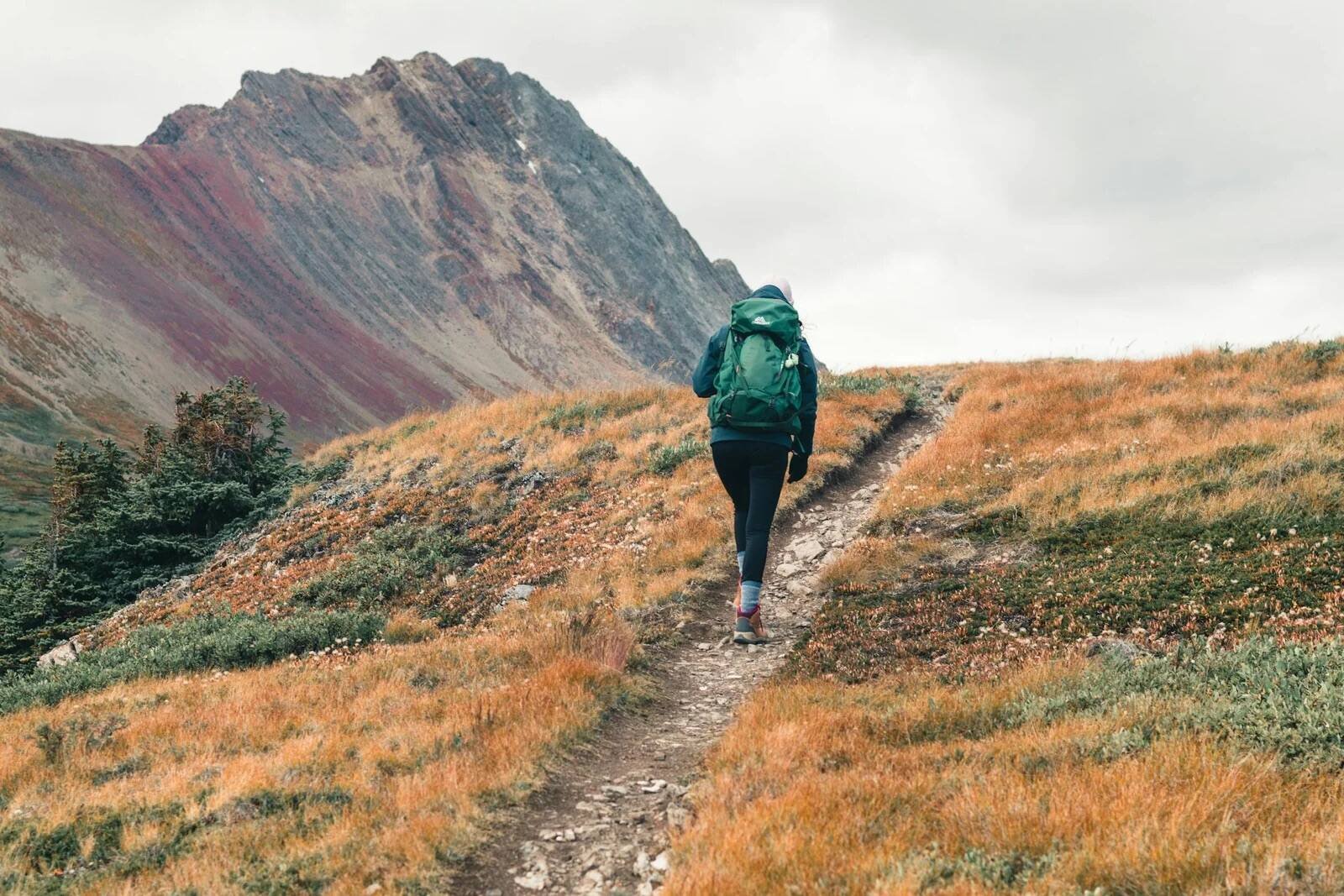
If you live in Calgary, it doesn’t take much convincing to get out into the mountains. The Rockies are less than an hour away, the trails are world-class, and once the snow clears, weekends tend to fill up fast with plans to get outside. However, many hikers don’t consider hiking preparation exercises to prevent injury.
Most people go from a winter of sitting, commuting, and lower activity straight into long, steep hikes. That’s when sore knees, blown-out quads, tight hips, and aching backs start to show up, often before you’ve even made it to the summit.
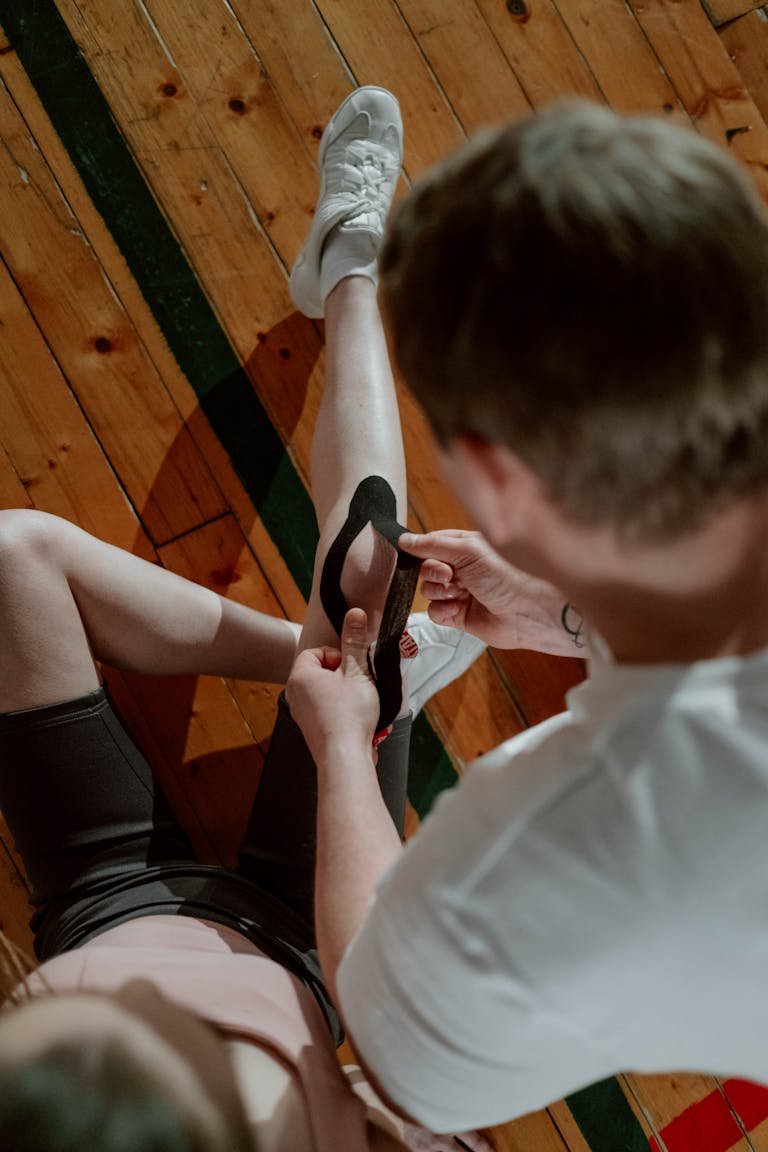
A few weeks of focused hiking preparation exercises and sports therapy services can make the difference between grinding through your first hikes and actually enjoying them.
What Hiking Actually Demands of Your Body
Hiking is often underestimated. It’s not just “walking with elevation” – it’s a sustained physical effort with very specific demands:
- Cardiovascular endurance for hours at a time
- Eccentric quad strength (controlling your body downhill is the #1 cause of next-day soreness after a hike)
- Glute and hip strength for climbing and stability
- Core endurance to manage a backpack and maintain posture
- Ankle mobility and stability for uneven, unpredictable terrain
If any of these are weak links, the hike will find them – usually halfway through, when turning around isn’t as appealing.
The 7 Hiking Preparation Exercises We Recommend
1. Step-Ups – Find a step or bench at roughly knee height. Drive through your lead leg to step up, then control the descent.
Why it works: Mimics uphill hiking almost exactly.
Recommendation: 3 sets of 10 per leg, 2–3x/week
2. Reverse Lunges – Step back instead of forward – it’s easier on the knees while still building strength and balance.
Why it works: Trains single-leg control without excessive joint stress.
Recommendation: 3 sets of 8–10 per leg
3. Bulgarian Split Squats – One foot elevated behind you, the other doing the work.
Why it works: Builds serious single-leg strength, exactly what hiking demands.
Note: Bodyweight is plenty to start. These add up fast.
4. Eccentric Step-Downs – Stand on a step and slowly lower your heel to the ground over 3–4 seconds.
Why it works: This is your downhill protection exercise.
Recommendation: 3 sets of 6–8 controlled reps per leg
5. Glute Bridges / Hip Thrusts – Simple, effective, and often underdone.
Why it works: Strong glutes drive you uphill and reduce strain on your knees and back.
6. Calf Raises – Do both straight-leg (gastrocnemius) and bent-knee (soleus).
Why it works: Your calves absorb a ton of load on climbs and descents, especially on uneven terrain.
7. Loaded Carries – Grab a backpack, dumbbells, or kettlebells and walk.
Why it works: Builds real-world core endurance, grip strength, and postural control for long hikes with a pack.
Bonus: Use your actual hiking pack and gradually increase weight.
The Missing Piece: Downhill Training
Most people focus on hiking preparation exercises for the climb, but it’s the descent that does the damage. Downhill hiking places a high eccentric load on your quads, which is why your legs feel destroyed the next day.
To prepare:
- Prioritize slow, controlled lowering movements (like step-downs)
- Add decline treadmill walking if available
- Don’t skip leg training just because you “only hike”
If your quads aren’t prepared, your knees end up taking the hit.
Don’t Forget Mobility
Strong muscles working through stiff joints is a fast track to compensatory injuries. Spend 5–10 minutes a day on:
- Hip flexor mobility (especially if you sit a lot)
- Ankle dorsiflexion (critical for climbing and descending)
- Thoracic spine rotation (helps with posture and breathing under load)
Better mobility = more efficient movement and less strain on your joints.
How to Structure Your Training For Hiking Preparation Exercises
The key here is consistency and a simple weekly structure:
- 2–3 strength sessions (focused on the exercises above)
- 1–2 longer walks or incline hikes to build endurance
- Daily short mobility work (5–10 minutes)
Timeline:
- 6–8 weeks of prep makes a noticeable difference
- Even 3–4 weeks is better than nothing
The biggest mistake we see isn’t a lack of exercise – it’s doing too much, too soon.
Avoid:
- Jumping straight into long, high-elevation hikes
- Carrying a heavy pack on your first few outings
- Back-to-back long hikes early in the season
Instead:
- Build distance and elevation gradually
- Increase pack weight over time
- Pay attention to early warning signs (tightness, joint irritation)
When to Get Help
If you’re:
- Coming back from a knee, hip, or ankle injury
- Dealing with recurring pain on hikes
- Planning a bigger objective (long hikes, scrambles, multi-day trips)
- Or just want a more structured plan
…it’s worth getting a personalized approach.
At Riverside Sports Therapy, we help people bridge the gap between everyday activity and the demands of hiking in the Rockies. That means assessing how your body moves, identifying weak links, and building a plan that actually prepares you for the trails you want to tackle.
If you want to start the season feeling strong instead of sore, now’s the time. Book an assessment at Riverside Sports Therapy in Calgary or Cochrane, and let’s get your body ready for the trails ahead.