Sore Shoulder After Pickleball? How a Calgary Sports Injury Clinic Can Help
Pickleball is the fastest-growing sport in Calgary with no signs of slowing down. Pickleball courts are packed, leagues are filling up, and a lot of people who haven’t picked up a racket in years are suddenly playing multiple times a week.
The downside of that explosion? A whole new category of patients walking into our Calgary sports injury clinic with sore shoulders, irritated elbows, and a growing suspicion that their new favourite sport might be trying to break them.
Shoulder pain is by far the most common complaint we see. The good news: it’s very treatable if you understand what’s actually causing it.
Why Pickleball Beats Up Your Shoulder
Pickleball looks deceptively easy. Smaller court, lighter ball, shorter paddle – it doesn’t seem like something that should cause injuries. But the biomechanics tell a different story.
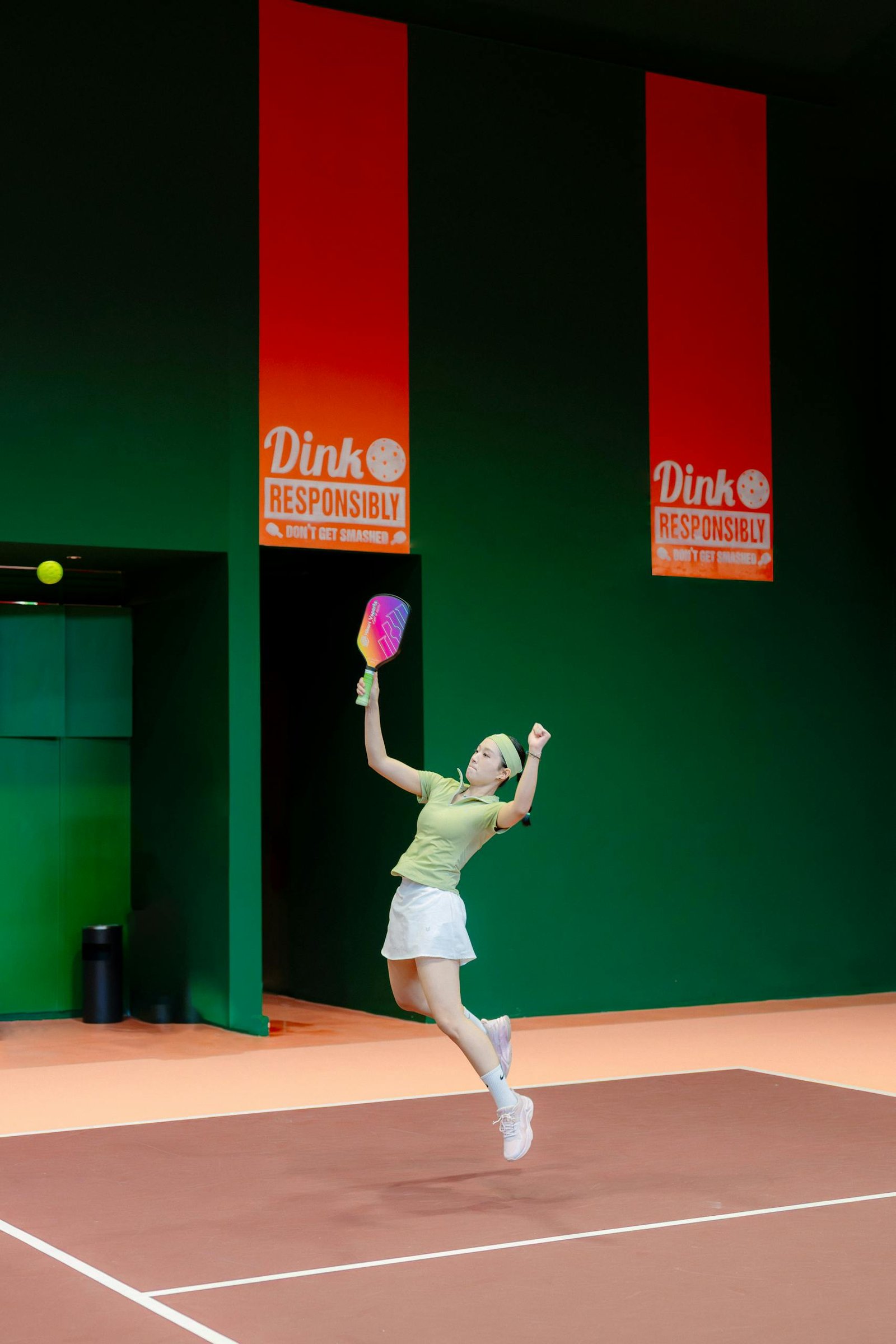
1. Repeated Overhead Motions – Serves, smashes, and high volleys repeatedly load the rotator cuff, a group of small stabilizing muscles that fatigue quickly when they’re not conditioned for it.
2. Fast, Reactive Movements– Unlike sports with more predictable setups, pickleball demands quick reactions. You’re often reaching, flicking, or swinging without ideal positioning, which puts extra stress on the shoulder.
3. High Volume of Play – Games are short and addictive. It’s easy to go from zero to hours of play per week almost overnight. That spike in volume is one of the biggest injury drivers we see.
4. Lack of Overhead Conditioning – A lot of players are new to overhead sports, or returning after years away. The shoulder simply isn’t prepared for the load being placed on it.
Add all that up, and you’ve got a perfect storm for irritated rotator cuffs, overloaded tendons, and shoulder impingement.
The Most Common Pickleball Shoulder Injuries
Rotator Cuff Tendinopathy
This is the big one. The rotator cuff stabilizes your shoulder during movement. When it’s overworked, especially without enough strength or endurance, the tendons become irritated.
What it feels like:
- Dull ache in the side or front of the shoulder
- Pain with overhead shots or reaching
- Weakness or fatigue during play
Shoulder Impingement
This occurs when the rotator cuff tendons get compressed (or “pinched”) during arm elevation.
What it feels like:
- Sharp pain or “catch” when lifting your arm
- Pain in a specific range (often shoulder height)
- Symptoms that worsen the longer you play
Left untreated, impingement can progress into more persistent tendon issues.
Biceps Tendinopathy
The long head of the biceps tendon helps stabilize the shoulder and is heavily involved in overhead motions.
What it feels like:
- Pain at the front of the shoulder
- Tenderness in the bicipital groove
- Discomfort with lifting, reaching, or serving
The Real Problem: It’s Not Just Your Shoulder
One of the biggest misconceptions is that shoulder pain is just a “shoulder problem.”
In reality, the shoulder is often the victim, not the cause.
Common underlying contributors include:
- Limited thoracic spine mobility → forces the shoulder to compensate
- Poor shoulder blade control (scapular stability) → reduces efficiency and increases strain
- Weak rotator cuff and posterior shoulder muscles → less control under load
- Tight chest and lats → restrict overhead movement
If these aren’t addressed, the shoulder keeps getting overloaded, no matter how much rest you take.
What Actually Helps (and What Doesn’t)
What Doesn’t Work Long-Term
- Just resting – Pain might settle temporarily, but it comes back as soon as you return to play.
- Playing through it – This often turns a mild irritation into a more stubborn, longer-term issue.
- Generic stretches from Google – Without addressing strength and movement patterns, these rarely solve the root problem.
What Does Work
1. Calm Things Down First – Hands-on therapy, activity modification, and load management help reduce irritation so you can actually start rebuilding.
2. Build Strength Where It Matters – Focus on rotator cuff endurance, shoulder blade stability, upper back strength. This is what allows your shoulder to tolerate repeated play.
3. Improve Mobility Upstream – Thoracic spine and shoulder mobility reduces the load placed directly on the shoulder joint.
4. Adjust Volume and Technique (Temporarily) – Sometimes it’s as simple as reducing play frequency for a couple of weeks, modifying your serve or overhead mechanics, avoiding high-load shots while symptoms settle
Simple Ways to Protect Your Shoulder Before You Play
A quick 5–10 minute warm-up can make a big difference:
- Arm circles and controlled shoulder rotations
- Light band work (external rotations, pull-aparts)
- Thoracic spine rotations
- Gradual rallying before going full intensity
This helps “wake up” the stabilizing muscles your shoulder relies on.
Pickleball shoulder pain rarely disappears on its own if you keep playing through it. In fact, the longer it lingers, the more it tends to entrench. We regularly see people lose months of court time to issues that could have been resolved in a few weeks with the right plan.
How a Calgary Sports Injury Clinic Can Help
At Riverside Sports Therapy, we look beyond just the painful area.
Your assessment will focus on:
- Shoulder strength and control
- Mobility in the thoracic spine and surrounding joints
- Movement patterns specific to how you play
From there, you’ll get a clear plan to reduce pain, rebuild strength, and return to play without recurring flare-ups. If your shoulder is starting to bark after games, it’s worth addressing early.
Book an assessment at Riverside Sports Therapy, a Calgary sports injury clinic, and get a plan that keeps you playing – ideally pain-free and ready for the next round of trash talk.