
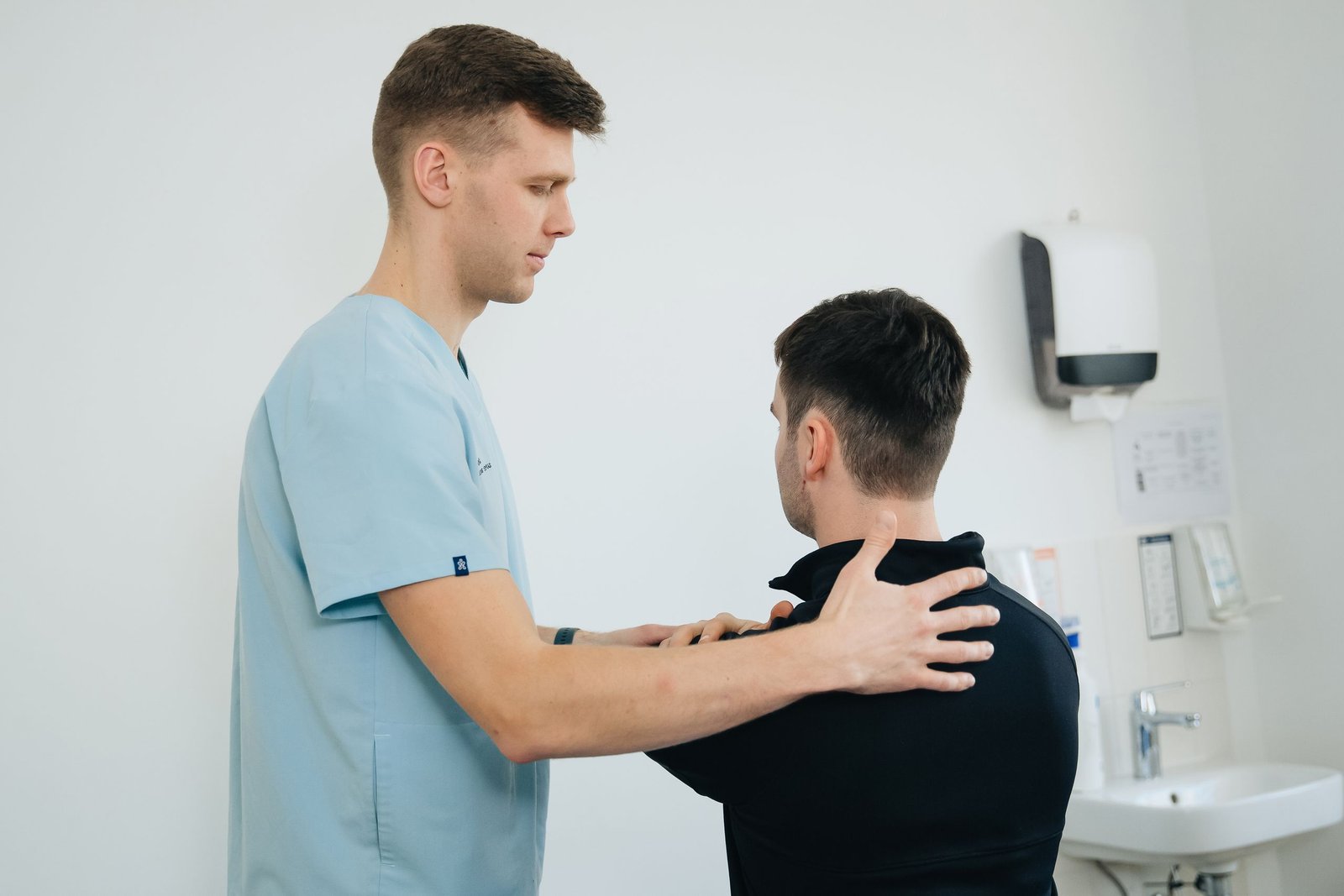
Can Physiotherapy Help Prevent Surgery? An Honest Look at When It Works
If a doctor has mentioned surgery, or you’ve been Googling your knee at 2 a.m., you’ve probably wondered whether physiotherapy can help you avoid it. For a lot of common injuries, the honest answer is yes, or at least it’s worth trying first. For others, surgery is the right call, and physio’s job is to get you ready for it and back on your feet afterward.
Here’s how physio works, which conditions tend to respond well to it, the red flags that mean surgery shouldn’t wait, and how to figure out which group you’re in.
How Can Physiotherapy Help You Avoid Surgery?
Physiotherapy doesn’t magically glue a torn structure back together. What it does is change everything around the injury: how strong the supporting muscles are, how well the joint moves, and how much load the injured tissue is taking day to day. A lot of pain has as much to do with how a joint is being used as with what’s damaged.
A good physio program usually includes:
- Strengthening the muscles that support and protect the injured area
- Restoring range of motion and reducing stiffness
- Retraining movement patterns that overload one spot
- Managing activity so tissue can heal without being re-aggravated
- Hands-on treatment to ease pain enough that you can move and train properly
Your Scan Doesn’t Tell the Whole Story
MRI findings like disc bulges, meniscus tears and rotator cuff wear are surprisingly common in people who have no pain at all. That doesn’t mean your scan is meaningless. It means a finding on an image isn’t automatically the cause of your pain, and it isn’t automatically a surgical problem. How you move, what you can do and how your symptoms behave matter just as much.
Conditions Where Physiotherapy Often Helps First
Every injury is different, but these are the conditions where trying physio before surgery is commonly recommended.
Knee Pain and Degenerative Meniscus Tears
For many middle-aged and older adults, meniscus tears are wear-and-tear changes rather than a sudden injury. Several large studies have found that structured exercise therapy gives results similar to arthroscopic surgery for these tears, which is why physio is now widely recommended as the first step.
Low Back Pain and Disc Problems
Most back pain, including many disc herniations with leg pain, improves without surgery over weeks to months. Physio helps you stay active, calm down irritated nerves and build the strength and movement control that make flare-ups less likely.
Rotator Cuff and Shoulder Pain
Shoulder pain from rotator cuff irritation, and many degenerative rotator cuff tears, often respond well to a progressive strengthening program. Plenty of people regain good, pain-free function without an operation.
Knee and Hip Osteoarthritis
Exercise is a first-line treatment for osteoarthritis in clinical guidelines. It won’t reverse joint changes, but for many people it reduces pain, improves function and can help put off a joint replacement.
Tendon Problems
Achilles tendinopathy, patellar tendinopathy (jumper’s knee) and tennis elbow are classic examples. Gradually loading the tendon is the main treatment, and surgery is rarely needed.
ACL Tears (Sometimes)
This one depends on you. Some people, especially those who don’t play pivoting sports, do well with rehab alone after an ACL tear. Others, particularly younger athletes returning to cutting and jumping sports, are often better served by reconstruction. It’s a conversation worth having with your physio and surgeon.
When Surgery Is the Right Call
While most would prefer to avoid surgery, there are instances where it is the better option or the only safe one, including:
- Fractures that are displaced or unstable
- Some complete tendon ruptures, especially in younger, active people
- A knee that locks and won’t fully straighten, which can mean a piece of torn meniscus is caught in the joint
- Nerve symptoms that are getting worse, such as spreading numbness or increasing weakness in an arm or leg
- Severe joint damage where a solid course of rehab has already been tried without enough improvement
Red Flags That Need Urgent Care
If you have back pain along with loss of bladder or bowel control, or numbness around your groin and inner thighs, go to the emergency department right away. These can be signs of serious nerve compression that needs immediate attention.
A good physiotherapist will tell you plainly when your situation needs a surgical opinion. And if you’ve done a consistent block of rehab and you’re not improving, that’s useful information too. It means surgery is being chosen for the right reasons.
Prehab: How Physiotherapy Helps Even If You Need Surgery
If surgery does turn out to be the right choice, physio still has a big job. Prehab, short for pre-surgery rehabilitation, means building strength and mobility before your operation. People who go into surgery stronger and moving better generally find the recovery afterward smoother.
After surgery, rehab is where much of the result comes from. The operation repairs the structure, and physiotherapy restores the strength, range of motion and confidence you need to get back to work, sport and everyday life.
Physio works best when it’s treated as a real trial, not a box to tick before surgery. A few things make a big difference:
- Do the home program – The exercises you do between appointments are where most of the change happens. Two sessions a week with a physio can’t make up for skipping the work at home.
- Give it enough time – Tissue adapts slowly. A meaningful trial of physio often takes several weeks to a few months of consistent work, depending on the injury. Feeling a bit better after one visit is great, but it’s not the finish line.
- Expect some discomfort, not flare-ups – Mild, manageable discomfort during exercise is often normal. Pain that’s sharply worse or lingers into the next day is a sign the program needs adjusting, so tell your physio.
- Keep your doctor in the loop – Physio and medical care work best together. If your doctor or surgeon has recommended trying rehab first, share your progress with them so decisions are based on how you’re actually doing.
Frequently Asked Questions
Can Physiotherapy Help a Torn Meniscus?
Often, yes. Many people with degenerative meniscus tears become pain-free and fully functional with rehab, even though the tear is still visible on a scan. Some traumatic tears in younger people, or tears that cause the knee to lock, may need surgical repair.
How Long Should I Try Physio Before Considering Surgery?
It depends on the injury, but a consistent trial of several weeks to a few months is common. Your physiotherapist and doctor can help you decide when it’s time to reassess. Red flags, like worsening weakness, always override the timeline.
Do I Need a Referral to See a Physiotherapist in Calgary?
No. In Alberta, you can book directly with a physiotherapist. Some insurance plans do ask for a doctor’s referral before they’ll cover treatment, so it’s worth checking your benefits.
Can Physiotherapy Help After Surgery Too?
Absolutely. Post-surgical rehab is a key part of recovery and has a big influence on how well you get back to your normal activities.
Get an Honest Assessment at Riverside Sports Therapy
If you’ve been told you might need surgery, or you’re worried you’re heading that way, start with a thorough assessment. At Riverside Sports Therapy in Calgary, our team will look at how you move, what’s driving your pain and what you want to get back to. Then we’ll give you a straight answer about whether physio is likely to help, and refer you on if it isn’t.
Book an assessment with Riverside Sports Therapy today and find out what your options really are.
Disclaimer: This article is for general information only and isn’t a substitute for advice from your own healthcare provider.