Calgary Massage NW: How to Choose the Right Clinic for Active Lifestyles
If you’ve searched “Calgary massage NW” lately, you’ve probably noticed one thing right away: there are a lot of options. Spa massages. Mall kiosks. Mobile therapists. Clinic-based care. They’re not all the same, and more importantly, they’re not all designed for the same outcome.
If your body is an active body – running, lifting, hiking, playing sports – you’ll get far more value from therapeutic massage in a clinical setting than a one-size-fits-all relaxation session. Here’s why.
Therapeutic Massage vs. Relaxation Massage
Relaxation massage has its place. It’s designed to reduce stress, calm your nervous system, and help you unwind. For many people, that’s exactly what they need.
But if you’re dealing with tightness, soreness, or movement limitations, relaxation massage usually isn’t enough.
Therapeutic massage, on the other hand, is goal-driven.
It focuses on:
- Specific muscles or movement restrictions
- Tissue quality (tightness, adhesions, trigger points)
- How your body is functioning — not just how it feels
That means:
- The pressure is more intentional
- The techniques are more targeted
- The treatment evolves based on your response
It’s less about zoning out and more about getting results.
Why Active Calgarians Use Massage Therapy
In a city like Calgary, where people stay active year-round, massage therapy becomes less of a luxury and more of a tool. At clinics like Riverside Sports Therapy, our Calgary massage NW services typically see people using massage therapy for:
- Recovery Between Training Sessions – Helping muscles recover faster so you can maintain consistency in your training.
- Managing Tightness That Affects Performance – When mobility restrictions start to impact how you move, whether it’s your stride, squat, or swing.
- Supporting Rehab – Massage works alongside physiotherapy or chiropractic to improve tissue quality and speed up recovery.
- Pre-Event Preparation – Loosening key muscle groups before a race, tournament, or big training effort.
- Post-Event Recovery – Reducing stiffness and soreness after heavy activity.
- Everyday Wear and Tear – Desk work, commuting, parenting – it all adds up. Massage helps offset the cumulative load.
What Actually Happens During a Therapeutic Massage Session?
If you’re used to spa-style massage, a clinical session might feel a bit different, but in a good way. A typical visit includes:
- A Quick Assessment – What’s tight? What’s sore? What’s limiting your movement?
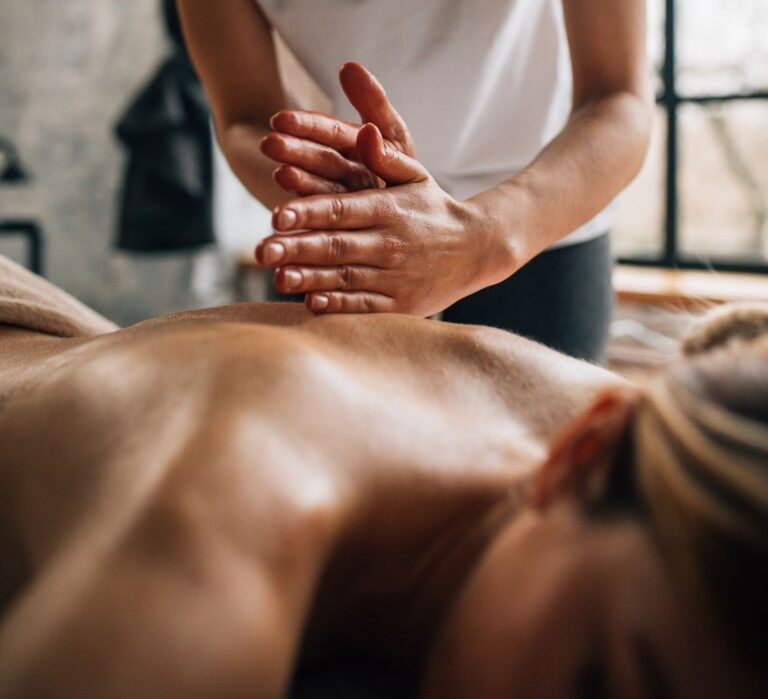
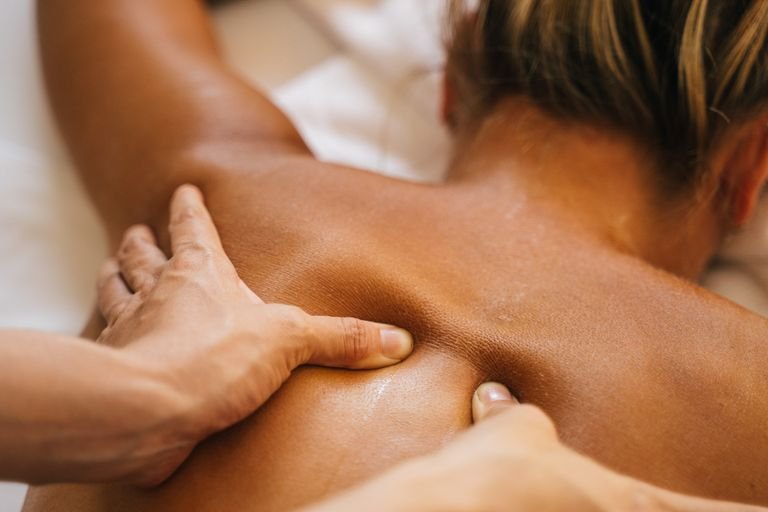
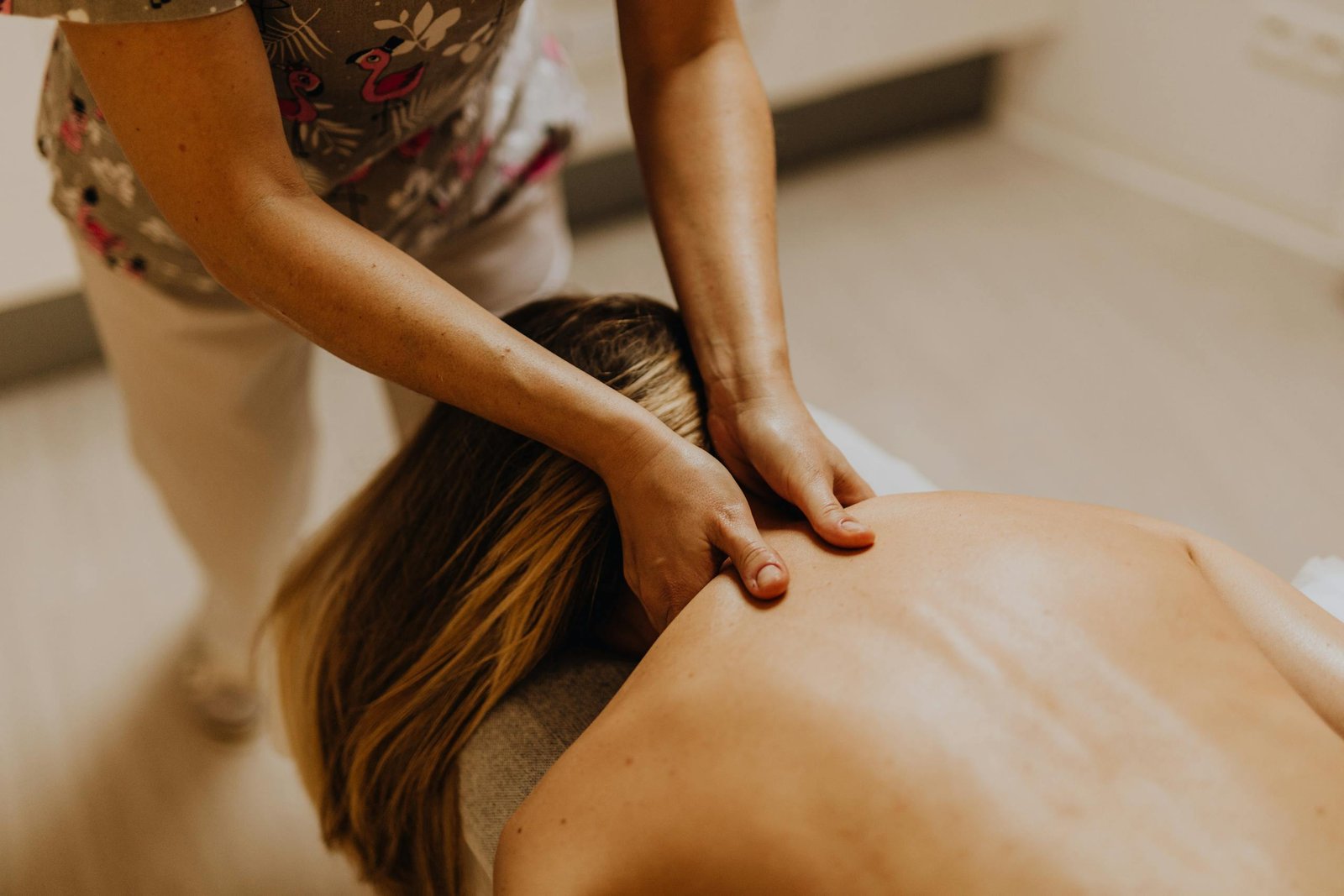
- Targeted Treatment – Instead of a full-body routine, your therapist focuses on the areas that matter most, using techniques like deep tissue work, myofascial release, trigger point therapy, and stretch-based techniques, among others.
- Feedback and Adjustment – Treatment is interactive. If something isn’t helping, it gets adjusted.
- Optional Home Care Advice – Simple stretches or mobility work to help the effects last longer.
Why Our Clinic-Based Calgary Massage NW Services?
One of the biggest differences between a general massage provider and a clinic-based setting is context. At Riverside Sports Therapy, massage therapy doesn’t happen in isolation. Your massage therapist works alongside our physiotherapists, chiropractors, and athletic therapists to get to the root cause of discomfort or pain.
Sometimes, tightness isn’t the primary issue – it’s a symptom. If your problem is:
- A strength imbalance
- A mobility restriction
- A movement pattern issue
…massage alone won’t fix it. In those cases, your therapist can guide you toward the right combination of care, whether that’s physio, chiro, or a more structured rehab plan.
If your tight hip is actually coming from poor mobility or weakness, you don’t get stuck in a cycle of temporary relief – you get a plan that addresses the root issue. Furthermore, not all massage therapists work with athletes or active clients regularly. Ours do.
That means they understand:
- Training loads and recovery cycles
- Common sport-specific patterns (running, lifting, hockey, skiing, etc.)
- The difference between “good soreness” and something that needs attention
How Often Should You Get a Massage?
It depends on your goals and activity level. We typically recommend:
- High training load: every 2–4 weeks
- Maintenance / general activity: every 4–6 weeks
- Injury or flare-up: more frequent initially, then taper
Consistency matters more than frequency. Regular treatment keeps small issues from becoming bigger ones.
If you’re in NW Calgary and looking for massage therapy that actually moves the needle, it’s worth choosing a clinic that understands how your body is being used. At Riverside Sports Therapy, we take the time to understand what you’re dealing with, treat the right areas, and integrate care if needed. Book an appointment with us today and let’s get you moving pain-free.